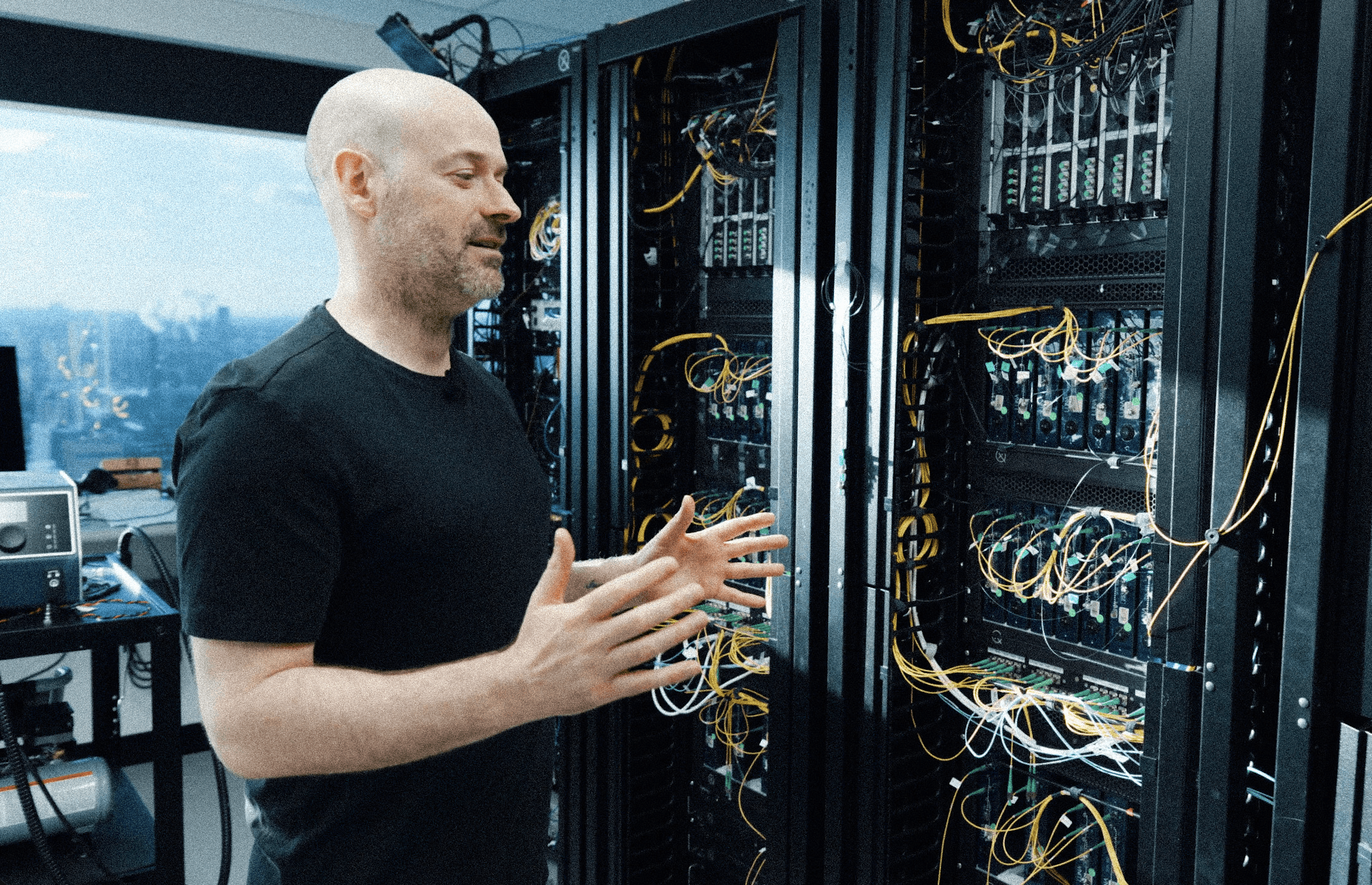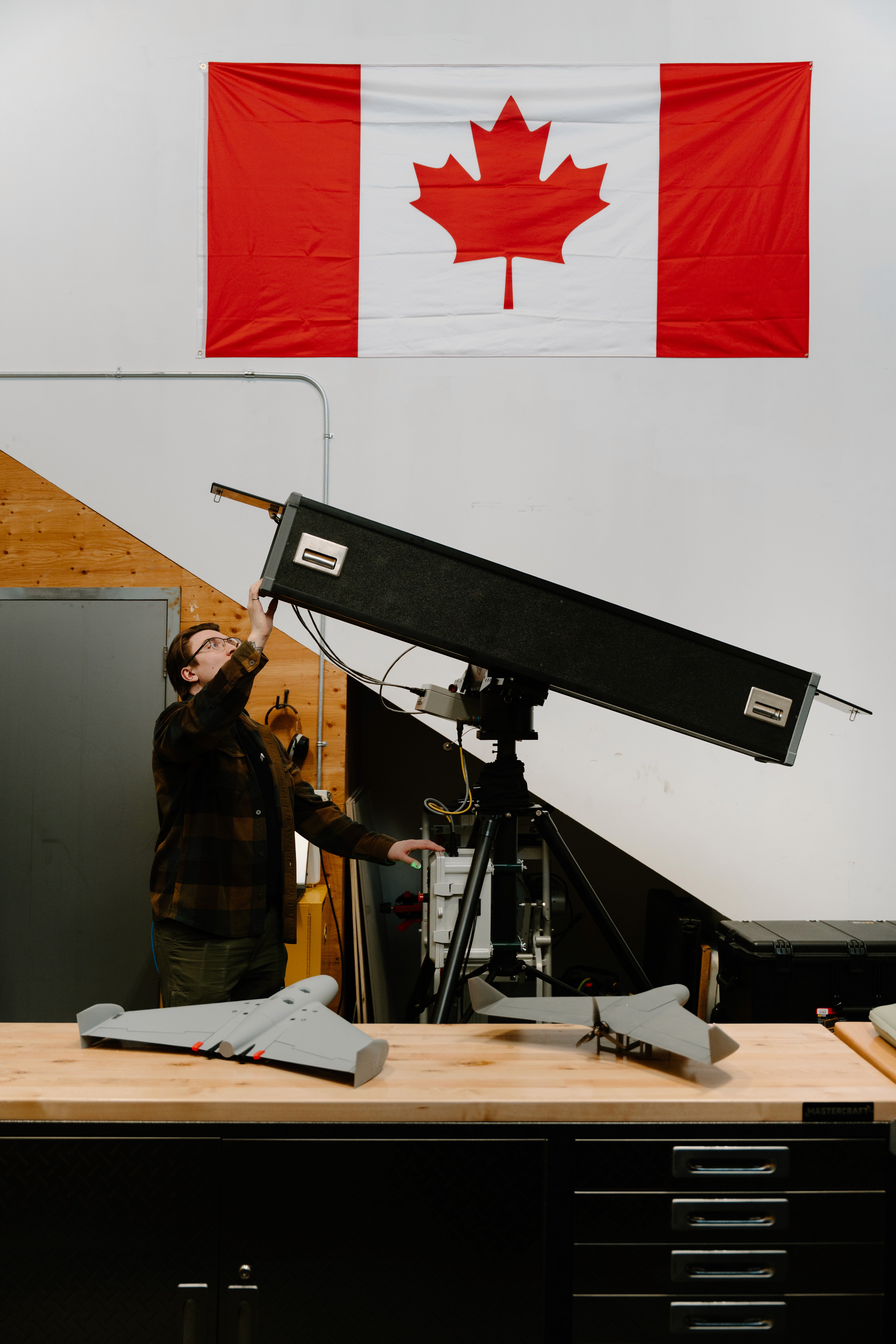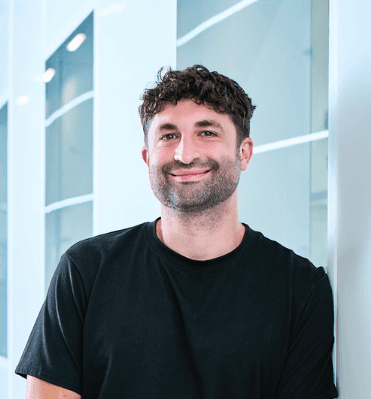
If you've seen someone walking a robot down a Toronto street, there's a fair chance it was Jasmeet Singh. Known in the community as beardedmaker, Jasmeet invests in physical AI and robotics, and he likes putting new machines where ordinary people can bump into them and start wondering what they could do.
He's a friend of Fello and someone we learn from often. We talked to him about how he picks the founders he backs, what makes him walk away, and what hardware teams need to get right before they ever pitch an investor.
The thesis
Jasmeet's thesis is broad. He expects AI to move into physical products, from robots and connected devices to headsets and wearables, so that computing surrounds us and changes how we work and live.
His timing argument is practical. A lot of the research has already been done, manufacturing costs have fallen over the past decade, and the market is ready for these products. On top of that, he wants founders who can turn those pieces into a product people pay for, and who bring staying power, a long view and sound values.
The first signals
Because he focuses on companies close to product-market fit, Jasmeet looks for specific evidence early:
A prototype where the core technology risk has already been removed
Signs of early users
A clear roadmap for manufacturing and pricing
Founders who execute well and understand their customers deeply
When a company is too early for him, he tells the founders what they'd need to show first. It's useful feedback for them, and it tells him something too: how quickly they act on it.
Why he walks away
His red flags have less to do with technology than founders might expect. Jasmeet steps back when founders aren't coachable or don't really understand their customers. He also avoids teams with weak ethics or communication problems.
The one he flags as equally important is team dynamics: the personalities of the founders and how they work together. Hardware takes years, and a founding team that can't work through disagreement rarely makes it.
From pilot to production
Market adoption looks different depending on whether a product is novel or for everyday use, and whether it's sold to businesses or consumers. Across all of them, Jasmeet looks for a growing need and a product that delivers a 10x improvement over how people do things today.
Early signs of that include successful pilots or early customers who have committed money, for example through crowdfunding. On manufacturing and distribution, he looks hard at whether the bill of materials is stable, how production works, the impact of minimum order quantities and whether the right manufacturing partners are already lined up.
Who survives
This was the part of the conversation that stuck with us most. Hardware companies go through brutal cycles of fundraising and product development. Some teams make it and some burn out. Jasmeet's answer to what separates them was short:
"Survivors are multidisciplinary teams with resilience."
He added that those teams communicate clearly, iterate quickly and stay obsessed with their customers. And he warned against a classic hardware trap: over-engineering toward perfection without regular customer feedback.
What excites him next
Looking ahead, Jasmeet is most excited about robots and connected devices with on-device computing, running both large and very small AI models, in public-facing settings like retail and hospitality. He's drawn to products that keep learning from what they observe and change how they act as a result. As AI improves, he sees this extending into wearables and toward a "plug-and-play hardware" era.
His advice before you raise
What to prepare depends on timing. Early on, the priority is advisors and partners who will introduce you to the right people. By seed, have a prototype with the technical risk removed, a clear customer profile and strong partnerships.
His most direct warning: many hardware startups struggle after their seed round if the foundation isn't there. His fix is to start charging customers early, even during pilots. Early revenue proves there's real demand and answers many of the questions an investor will have. And because there isn't much venture funding between angel and seed, he recommends using government grants and other non-dilutive funding to get to seed as quickly as possible.
What we took away
There's a lot of hype around physical AI right now. What we appreciate about Jasmeet's view is how grounded it is: de-risked technology, real customers, a credible manufacturing plan and, above all, a team that can survive the long road together. For founders building robots and AI hardware, that's a better checklist than any trend report.
This piece draws on our full conversation with Jasmeet Singh. Read the complete interview on the Fello blog.
Interview lightly edited for length and clarity.