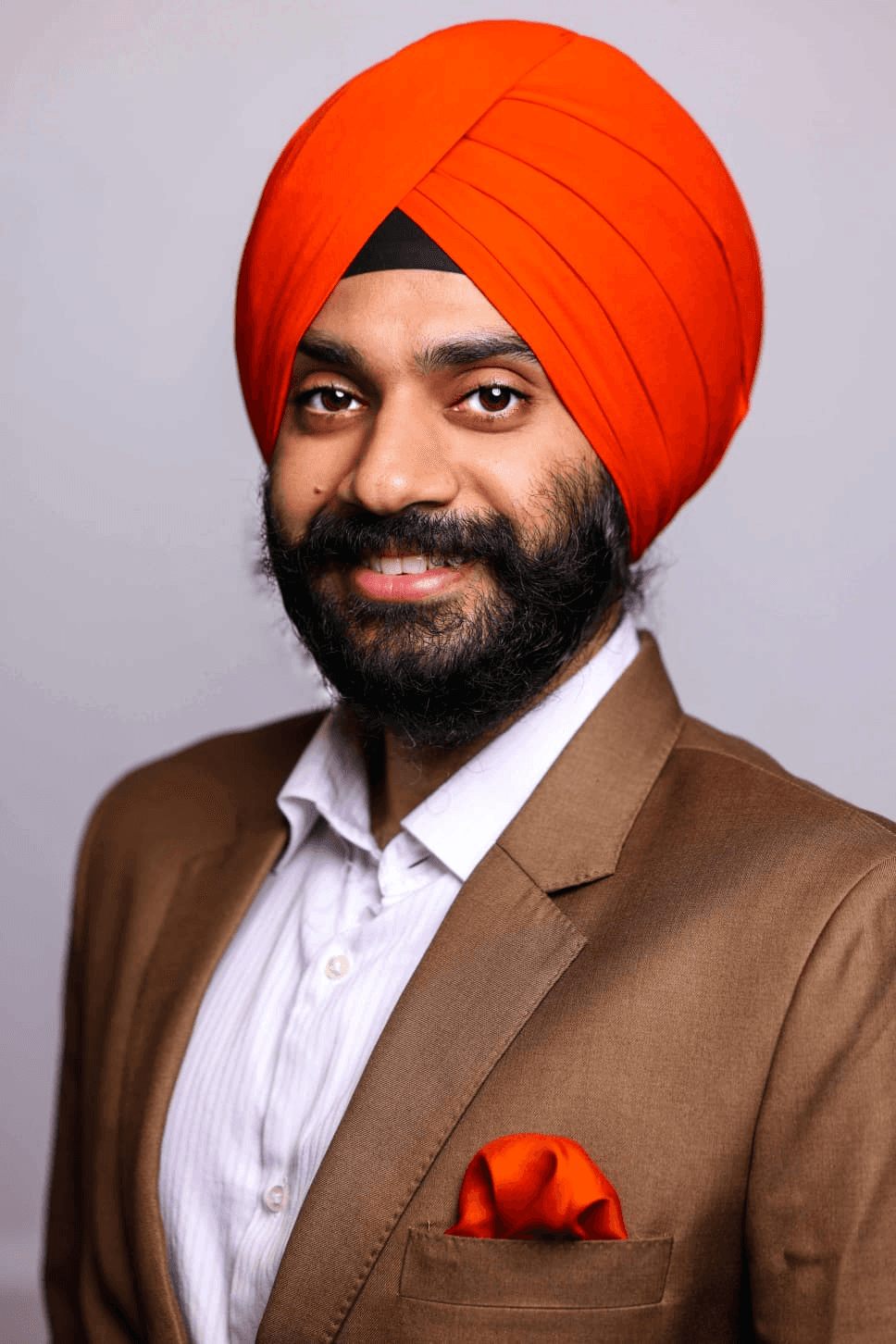
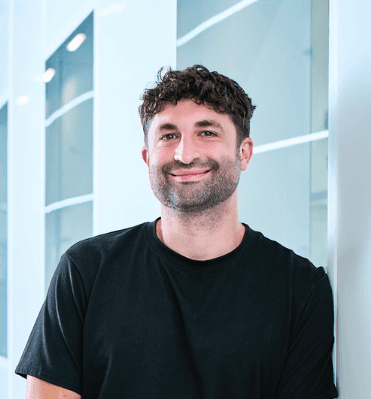

At Fello Agency, we’re fortunate to work alongside and learn from people who are genuinely building the future. Jasmeet is one of those people.
Known in the community as beardedmaker, Jasmeet brings a true builder mindset taking robots out of the lab and into the streets of Toronto, and pushing AI hardware toward everyday impact.
We’ve known Jasmeet for a while now, as a friend of Fello and as someone deeply embedded in the physical AI and robotics space. What stands out immediately is not just what he’s investing in, but how thoughtfully he approaches the intersection of hardware, AI, and real-world adoption. His work sits right at the crossroads of technology, ethics, and long-term impact.
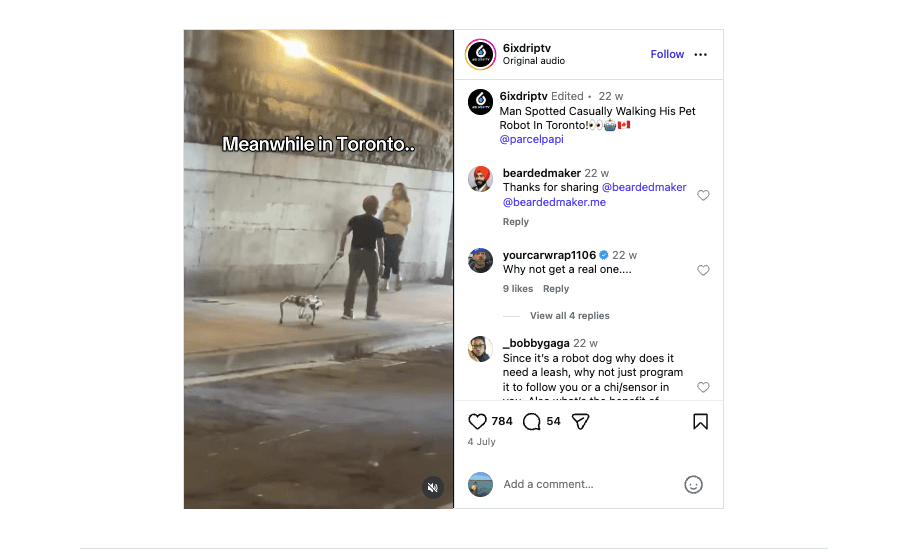
You may also recognize Jasmeet for something a little less conventional, walking his robot through the streets of Toronto. It’s a perfect reflection of his mindset: taking advanced technology out of the lab and into the real world, where people can see it, interact with it, and start imagining what’s possible.
We were excited to sit down with him to talk about physical AI, robotics, hardware investing, and what founders need to understand if they want to build companies that actually scale.
1. What core belief or investment thesis guides the types of founders and physical AI companies you choose to back?
Jasmeet: I believe the future is AI models embedded in hardware - robots, IoT, XR, wearables - creating ubiquitous computing that will reshape labor, productivity, and everyday life. Within the sector a lot of R&D has already been done, manufacturing costs have reduced over the last decade and the market is well timed to bring these devices to market. Beyond the ability to combine the various technologies together and bring products to market, I look for founding teams that have a long term vision, resilience, and strong ethics.
2. When you evaluate a hardware or robotics startup for investment, what are the first signals that tell you the company has a real chance of scaling?
Jasmeet: Since I focus on fast growth applications near PMF, I look for tech-derisked prototypes, evidence of early users, a clear manufacturing and pricing roadmap, and founders with strong execution. Its important for me that the founders understand their customers thoroughly and have taken the time to learn what they really want. I usually make sure my vision aligns with theirs, and if they are too early for me I let them know what is needed before making an investment, which also gives me a sense of their execution speed
3. What are the red flags that immediately make you walk away from an opportunity, even if the technology looks impressive?
Jasmeet: I step away when founders lack coachability or don’t understand their customers. I also avoid teams with weak ethics and communication issues. The last, but equally important, is the founding team dynamic, their individual personality types and how they work together.
4. How do you assess whether a physical AI product has a viable path to manufacturability, distribution, and real market adoption?
Jasmeet: The considerations for market adoption changes on whether the product is considered novel or for every day use. It also changes between B2B and B2C application. Its very important to target a growing need, and deliver a 10x improvement over current behavior. An early sign for this can be that they have run a few pilots successfully or have raised from beta users through crowdfunding. For manufacturability and distribution, I evaluate BOM stability, production processes, MOQ impact, and whether the team already has the right partners to execute this.
5. In your experience, what separates the founders who survive the fundraising and product cycles of hardware from the ones who burn out early?
Jasmeet: Survivors are multidisciplinary teams with resilience. They communicate clearly, iterate fast, understand users deeply, and obsess over customers. Don’t get stuck in constantly over-engineering till perfection, without getting regular customer feedback.
6. What trends or technological shifts in physical AI excite you most from an investment perspective over the next five years?
Jasmeet: I’m excited about robots and IoT with edge compute incorporating both large and tiny-AI models which can be used in public facing environments like retail, hospitality. I focus on applications where they gather real-time data, learn from it, and then adapt behaviour accordingly. As AI improves this will only get better with applications in wearables and creating the “plug-and-play hardware” era
7. If you could give one piece of advice to founders who want to raise capital for hardware or physical AI, what would you tell them to prepare before approaching an investor?
Jasmeet: That depends on stage. At the angel stage, find the best partners and advisors who open their network for you. By seed stage be prepared with a tech-derisked prototype and a clear customer profile, along with great partnerships. Most hardware-based startups die after raising Seed funding if they don’t lay down the proper foundation. So, start charging people early, even during pilots. It will give you early revenue that indicates a clear need for your product, and clear all apprehensions an investor might have about your company’s future.
There’s not a lot of VC funding sources available between these 2 stages so along with the early revenue tap into government grants and other sources of non-dilutive capital to get to Seed as fast as you can.
Fello's Thoughts.
This conversation with Jasmeet offers a grounded, experience-driven perspective on what it really takes to build and invest in physical AI companies. From the importance of customer obsession and founder resilience, to the realities of manufacturability, early revenue, and ethical team dynamics, his insights cut through the hype and focus on execution.
What comes through clearly is a belief in AI-powered hardware as a defining force for the next era of computing, one that lives in the real world, gathers real data, and adapts in real time. For founders, operators, and investors alike, this interview is a practical look at where physical AI is heading, and what it takes to be part of it.
Your Creative Partner for Innovation That Matters
From advanced tech to transformative healthcare, Fello helps visionary teams shape perception, launch products, and lead industries.

Let’s keep in touch.
Discover more about high-performance web design. Follow us on Linkedin and Instagram.

