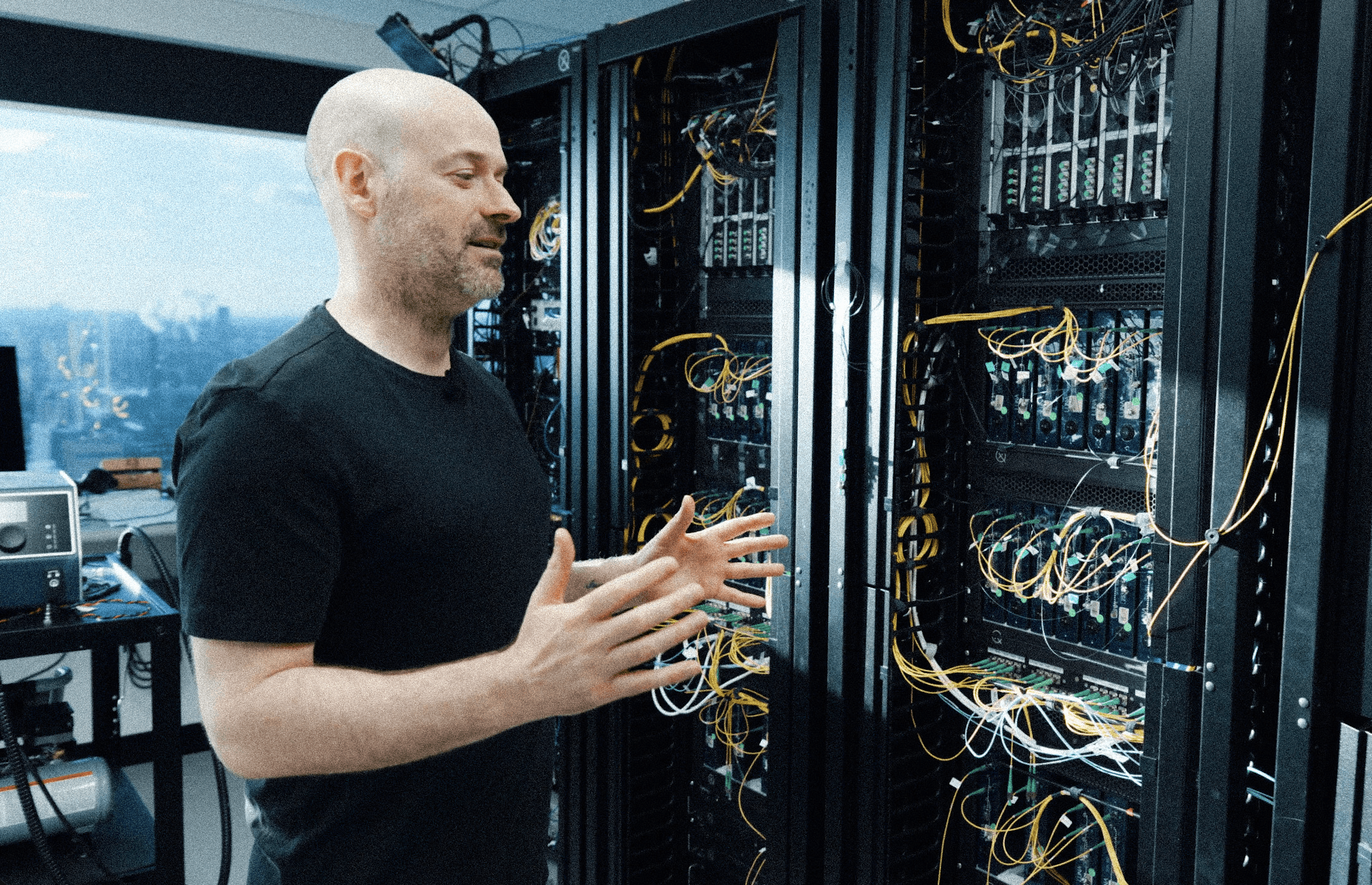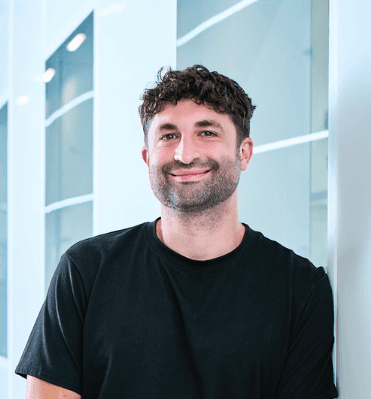
We first came across ANVIL at CANSEC, and it stayed with us. It's rare to find a company this early that so clearly has the makings of something much bigger, and rarer still to find one where the mission is as compelling as the technology.
ANVIL builds a secure, AI-powered data platform for defence and national security teams. It pulls in everything from sensor feeds to written intelligence reports, makes sense of it in real time and presents it in a single interface that decision-makers can act on. It's often compared to Palantir, but built in Canada with a sovereign-first mindset. We spoke with founder Samuel Witherspoon about how it started, how the platform works and what Canadian defence innovation needs next.
A problem seen from the courtroom
Sam's background is unusual for defence tech: he's both an engineer and a lawyer. Over a decade ago, working as a lawyer in a national security court, he watched national security data being handled manually and saw the inefficiency, risk and cost it created.
His legal training helped him understand the governance and security constraints involved. His engineering training told him it was, at heart, a data problem that technology could solve. That insight has been the foundation of ANVIL ever since: understand how national security data actually flows, and use technology to radically improve it.
It also shapes how he leads. Sam expects his people to understand the military task as well as the software. That's why ANVIL's engineers work alongside defence partners, so the people building the platform understand the pressure their users are under.
Giving back time
When we asked how the platform works in practice, Sam started with what it gives users rather than how it's built.
"We give our defence forces back that most valuable battlefield asset: time."
Intelligence teams spend a large share of their time just gathering data from disconnected systems. ANVIL brings those feeds together as they arrive, organises them, uses AI to pick out the people, places and objects that matter, and enforces strict access controls before serving the result in one view or through partner tools. The time once spent collecting can be spent on analysis and decisions.
Ease of use is a big part of the story. Sam says a new user can contribute to a mission after about thirty minutes of training, and that one exercise participant figured it out in about fifteen. In the same exercise, one team spotted the signs of a coming helicopter attack while the aircraft were still on the ground. That, more than any feature list, is what decision advantage looks like.
Mission first, literally
ANVIL calls itself a "Mission First" organisation, and Sam treats that as the company's core value: its success is measured by whether Canada and its allies succeed.
That starts with hiring. ANVIL looks for people driven by purpose who want the hardest problems, which builds a culture of ownership for the operator's success. As one military partner put it: "You're not just buying a tool, you're buying a team."
Sam's reasoning is straightforward. In national security, the stakes are too high and the problems too complex for a transactional vendor relationship. You can't sell software and walk away. Impact is what builds the long-term trust a real partnership needs.
The real procurement problem
Many founders describe Canadian defence procurement as a maze. Sam's diagnosis goes a level deeper: the core problem is silos, between government departments and, more importantly, between government and industry.
When industry is kept at arm's length as a vendor, the person with the operational problem is separated from the person with the technical solution, and both sides end up working in parallel instead of together. His proposed fixes focus on closing that gap: embedding industry with operational users to co-develop solutions, secondments between government and industry, and better data-sharing programs.
Advice for builders
Asked what ANVIL's journey says about Canadian innovation, Sam is optimistic: Canada can and should lead in building technology for high-impact sectors. His advice to other founders comes in three parts:
Sell mission success, not software. Customers are buying reduced risk and a successful outcome, not features.
Build trust. In defence and public safety, customers are trusting you with their mission and sometimes lives. Reliability and commitment are how you earn it.
Be relentlessly driven. The sales cycles are long and the bureaucracy is real, but the work matters enough to push through.
What we took away
ANVIL is a reminder that some of the most important technology companies in Canada are being built quietly, close to the people they serve. If Canada wants to lead in high-integrity, high-impact technology, companies like this are the ones to back, and to help be seen.
This piece draws on our full conversation with Samuel Witherspoon. Read the complete interview on the Fello blog.
Interview lightly edited for length and clarity.