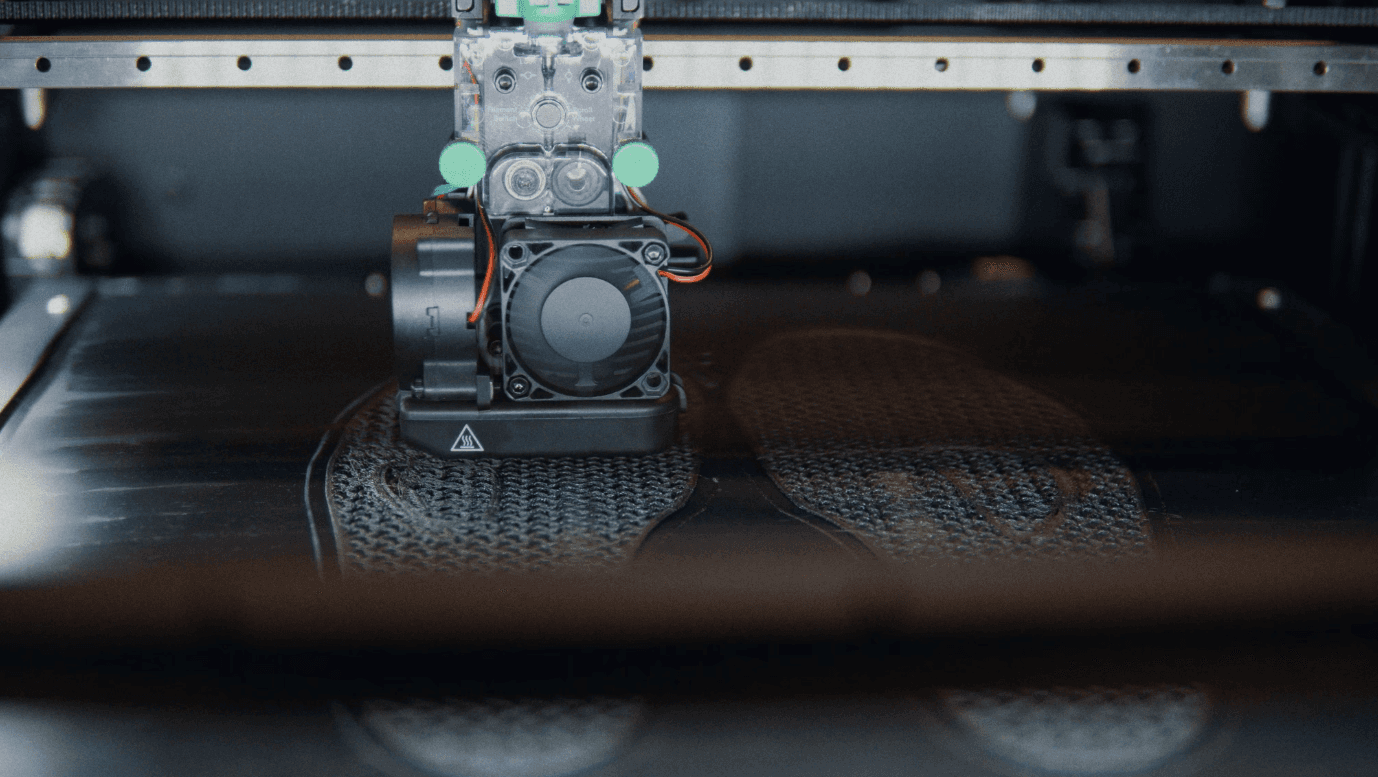


I work with companies that build hard things.
Industrial 3D printers. Medical devices. Manufacturing systems. Quantum hardware. The kind of products that are impressive in real life, but hard to explain on a website or in a sales deck. At Fello Agency, my job is to help those companies commercialize.
That's how I look at manufacturing video too.
I'm not interested in vanity content. I care about whether the video helps you go to market faster, build trust faster, and close faster. We built Fello from the ground up without VC money, so I've always had a practical view on this stuff. If the work doesn't move the business, it's noise.
I say this all the time: if you can't visually show the contract that you're trying to land, you are not getting the contract.
If you're a CMO or VP of Marketing in B2B manufacturing, you already feel the pressure. You need pipeline. You need cleaner alignment with sales. You need content that can hold up in front of engineers, procurement teams, operators, and finance. And you need to prove that marketing is helping revenue, not just "supporting the brand."
That's why manufacturing video matters more now than ever.
Why this matters in 2026
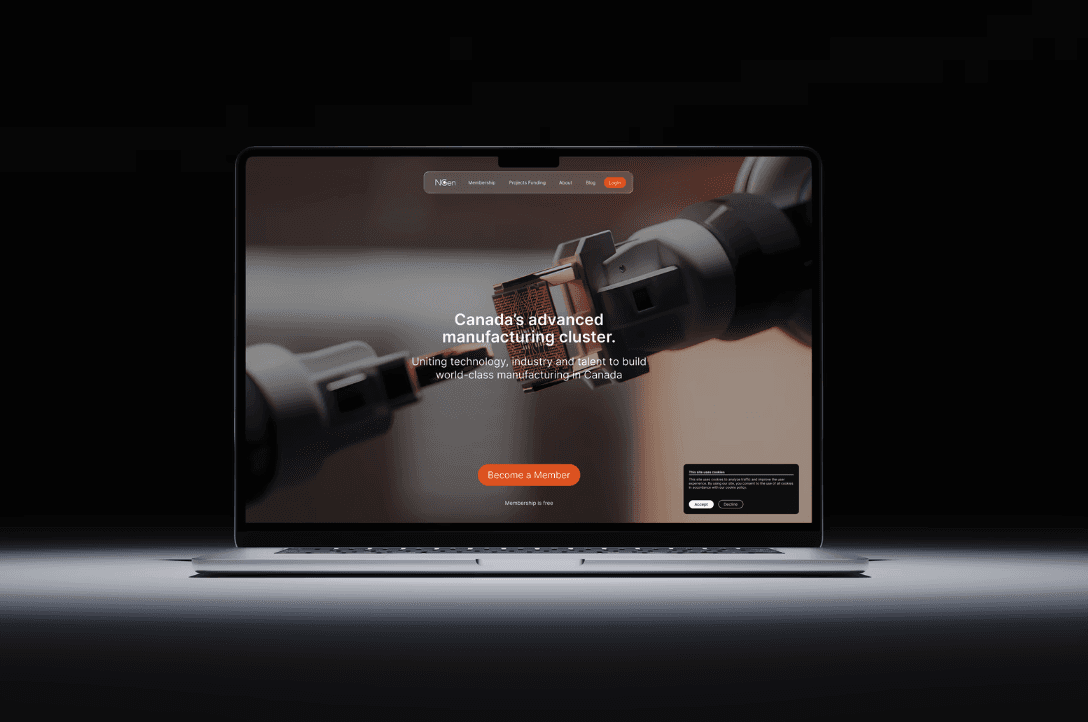
You're not early on video anymore. 78% of B2B marketers now use video in their programs. Over 70% of B2B buyers watch video to help make purchase decisions. And over 90% prefer to research independently before they ever contact a salesperson.
That changes the job of video.
Your video is often doing the first meeting for you. It is shaping trust before your sales team gets a shot. It is also shaping doubt. If the content feels generic, overproduced, or disconnected from the actual factory floor, buyers feel that immediately.
Trust is the whole game. LinkedIn reports that 94% of surveyed B2B marketers say trust is key to success in B2B selling. The same study says 42% rank reputation with decision-makers as a top priority. That tracks exactly with what I see in the market.
In manufacturing, your buyer is being asked to change operations. That is a serious ask. Across deep tech and industrial categories, the core problem is usually the same. You are trying to convince someone who has been doing something one way to change it, so they can save money or make more money. Good video helps that shift happen.
Stop making videos for your engineers only
One of the biggest mistakes I see is simple. Too much on features. Not enough on benefit.
Technical founders love technical detail. I get it. I love being around really innovative companies too. I've been lucky enough to work with industrial 3D printing companies, quantum teams, medtech leaders, and manufacturers doing world-class work. But the market still needs business language.
Your website needs to speak business. Your video does too.
I separate technical talk from business talk all the time. Technical talk has a place. It belongs deeper in the page, deeper in the deck, and later in the sales process. Business talk goes first. What changes for the buyer? What gets easier? Where is the ROI? Where is the risk reduction? Where is the time saved?
I say this a lot because it works: lead with not how smart the device is, but how much smarter you're going to be.
Sell a lifestyle, even in technology. In manufacturing, that lifestyle might be less downtime. Fewer errors. Faster quoting. Better throughput. More confidence on the floor. A smoother week for the operator. A better board update for the plant leader. That is the story.
We used that kind of thinking with Mosaic Manufacturing. Our work there wasn't just about making nice visuals. We helped them identify a new market, built video and visual assets around it, and supported the go-to-market push. In orthotics, the message landed harder when the story reflected the customer's day-to-day reality. That broader effort helped drive a 25% jump in inbound leads and a 15% increase in booked meetings within two months.
That's what happens when you pivot to an ROI narrative. If you don't, you're gonna stay in the lab. Create a business, not a research problem.
Manufacturing video has an uncanny valley problem

This is one of the biggest truths in the category.
Manufacturing video has an uncanny valley problem. There is a sweet spot between raw factory footage and overproduced corporate film. If you go too polished, it feels like you're compensating for something. If you go too raw, it just looks low-budget. The best work sits in the middle. Cinematic but clearly real.
I saw this very clearly on work tied to a major North American window manufacturer. The instinct at first was to show perfect houses and ideal finished installs. Clean, safe, expected. But the buyers actually cared a lot about where the product was made and how it was made. They wanted confidence in the process.
So the story shifted to the factory floor.
We showed the production environment. We showed the quality behind the product. We made the manufacturing process itself part of the trust signal. That was the stronger story.
That's why I say the best manufacturing videos sell precision, not a product. Audiences don't care about the widget. They care about the tolerances. A 15-second clip of a CNC machine holding a 0.001 tolerance can do more for buyer confidence than a three-minute explainer. Competence is the product.
There's another layer here too. A lot of manufacturers hold back because they're worried about exposing proprietary process. Fair enough. But that constraint can actually make the work better. It forces a visual language. You start using abstracted process shots, macro details, and environmental storytelling. The limitations become a style. And on digital, that style often performs better than a basic walkthrough ever would.
AI visuals kill trust faster than most teams realize
I'm going to be blunt here.
If your process is real, show it. If it looks like bullshit, no one's gonna want to work with it.
In 2026, there is AI generated slop everywhere. Buyers can feel it. Engineers can definitely feel it. Procurement people can feel it too. If the machine movement looks fake, if the materials look fake, if the lighting looks fake, the wrong thought enters the buyer's head right away. They start wondering what else is fake.
Your stuff is all just going to look the same as everyone else. Does that mean your services are the same too?
There's data behind this trust issue. ALM's survey of B2B buyers found that 73% trust recommendations from peers or other customers. Only 39% trust information from AI chatbots. That same instinct shows up in content. Real proof wins. Real customers win. Real environments win.
I'm not against every render. I've used renders when the situation called for it. We helped a confidential Canadian drone company secure funding by creating product visuals before they had a physical prototype to show. But even then, the answer is grounding the future in reality. Pair the render with real team footage. Pair it with live lab content. Show people doing the work. Otherwise you drift into vaporware very quickly.
And yes, there are times when rough footage outperforms polished footage. If you are selling to highly technical buyers, "ugly" test footage can be incredibly strong. A rough machine test. A real R&D moment. An imperfect clip from the floor. That kind of proof shows you're actually in the dirt doing the work. Strategy decides how rough you can go, but real footage has weight.
Overselling and under delivering kills credibility fast. Manufacturing buyers remember that.
Sound is one of the biggest missed opportunities
Almost every manufacturing video leans on stock music.
That's a mistake.
The real sounds of manufacturing are powerful. Hydraulic presses. Laser cutting. Robotic arms. Cooling systems. Material movement. Those sounds are naturally compelling. They create texture. They create memory. They give your content something competitors can't fake with another talking head and another soundtrack.
I think sound design is one of the most underinvested parts of the category.
We've used this thinking outside traditional manufacturing too. When we worked with quantum companies, we made sure to record the sounds of the fridges. That hum matters. It tells the viewer this thing exists. It gives the asset a kind of physical honesty. Acoustic branding, the sound of readiness, is very real.

Build a video system, not one hero film
If you're carrying a pipeline number, one pretty hero film is not enough. You need a system.
Start with the homepage and key landing pages
The first asset I want is a credibility reel for the homepage. Its job is not to explain every feature. Its job is to make the company feel serious, capable, and worth a conversation in under a minute. Real process. Real environment. Real quality. Then I want that supported by landing pages that lead with ROI metrics, case studies, and proof.
Your homepage should not read like a technical abstract. Your website needs to speak business.
I also separate landing pages from collector pages. Landing pages are there to help close deals. Collector pages help build loyalty over time. That might be your mission, your team, your partnerships, or behind-the-scenes engineering content. In a long sales cycle, both matter.
And if I land on a manufacturing site with no real case study or testimonial page, that is a red flag. Enterprise buyers are looking for proof.
Segment the story by market
If you serve multiple industries, don't force one broad message to do all the work.
We dealt with that on the Sphere side by creating distinct industry pages for factories, medical, and defense users as part of a larger website and brand push. That broader work helped increase lead generation by 3x. Same principle applies in manufacturing. If you sell into aerospace, orthotics, and industrial prototyping, those buyers need different business stories.
Talk to each ICP in their own language.
Make case studies customer-led
This is where real trust gets built.
I want case study videos told from the customer's perspective. Not the company's. I don't want a chest-puffing monologue about how great the product is. I want the customer talking about what life looked like before, what was frustrating, and what changed after.
At Fello, we start the research in a pretty clear order. Customers first. Then sales. Then marketing. Then leadership. That order matters because leadership tells you what they want the story to be. Customers tell you what the truth feels like.
When I interview someone for a case study, I want to find out what pisses them off the most. Where was the friction? What was costing them time, money, or credibility? That's where the story gets emotional. That's where it becomes believable.
And that kind of proof matters. Carrot reports that website visitors who start watching a video are 24% more likely to become leads. Visitors who finish the video are 56% more likely to convert. That's useful data, but the bigger takeaway is simple: real proof gets people moving.
Use short proof clips everywhere
I also want short clips that show precision.
These are the little moments that sales teams love. A machine action. A tolerance check. A QA moment. A material detail. A packaging sequence. A production shot that makes competence obvious. These clips work on landing pages, in outbound, in deck follow-ups, and at trade shows.
On the trade show side, I usually want less explanation and more atmosphere. No narration, all atmosphere, optimize for attention. Let the sales rep do the talking once the video has pulled people in.
Keep the story alive during the long cycle
Manufacturing deals can drag for months. Sometimes a year. Sometimes two.
That means your content can't disappear after the first touch. This is where monthly updates, walkthroughs, behind-the-scenes clips, and technical PDFs come in. Video should help keep buyers warm. Written content should help them think through the purchase and even start helping write their future RFPs.
And let's be honest, human selling still matters. You still need a driver behind the car. Video helps buyers trust you. It does not replace the rep, the founder, or the technical lead in the room.
Use your people, not just your logo
A lot of marketing teams still treat LinkedIn like a billboard. I don't.
LinkedIn for me has always been a verification tool. Buyers usually find you somewhere else first. Then they go check the leadership team, the company page, and the activity. They want to know if you're real. They want to know if anyone there actually gives a shit.
That's why personal profiles matter so much. Passion will actually beat hardcore planning on that platform. Marketing Week reports that 63% of B2B technology buyers say short-form social video from industry experts helps inform purchasing decisions. The same survey says 80% view expert-led video as one of the most trusted formats. So get your engineers, founders, operators, and subject matter experts involved. Let real people carry the message.
Measure what actually moves revenue
I don't care much about vanity views on their own.
I care whether video-supported pages convert better. I care whether sales is using the assets in live deals. I care whether you are getting booked meetings faster, whether branded search is growing, and whether the early skepticism on calls is dropping. I care whether the buyer shows up already understanding the value.
That's how you prove ROI to a CEO or board. Tie the work to pipeline, deal velocity, and trust. The more the asset helps sales skip that early legitimacy check, the more valuable it is.
Budget in plain English
A lot of companies wait too long to invest in video case studies.
If you've raised a Seed round or landed your first solid deal, I think you should be taking this seriously. A strong video case study in the 15 to 20 thousand dollar range can work very hard if you repurpose it properly. Turn it into short clips. Turn it into a PDF. Turn it into a blog post. Turn it into sales slides. That's bang for your buck.
If budget is tight, cut deliverables before you cut quality. I don't think it's a matter of skimping out on quality. I think it's a matter of skimping out on deliverables.
And if you are chasing serious contracts, dress for the client that you need. I tell people this pretty directly. If you expect million-dollar conversations but won't invest enough to look your absolute best, you're making life harder for your own sales team.
Final thought
Manufacturing video in 2026 should prove readiness.
Show the floor. Show the process. Show the tolerances. Show the people. Capture the sound. Let customers tell the story. Build the system around revenue, not vanity. Then keep the content moving through the whole buying cycle.
Take this stuff seriously because your competitors will and they will win the deal.
In manufacturing, competence is the product. Your video should make that obvious.
Frequently Asked Questions
How do we definitively attribute pipeline revenue to our manufacturing video investments?
Stop looking at vanity views. You measure it by integrating your video hosting platform directly into your CRM. Track how much influenced revenue touches a specific video asset. Look for increased deal velocity and higher close rates when sales deploys video follow-ups. If it doesn't move pipeline, it's noise.
Can video marketing tangibly shorten a complex, multi-year industrial sales cycle?
Yes, because it does the heavy lifting before the first meeting. Over 90% of B2B buyers prefer independent research before talking to sales. A strong video system answers their operational objections early, meaning your reps start conversations on third base instead of fighting for credibility.
Is it worth allocating paid media budget to promote technical manufacturing videos?
Absolutely. B2B buyers have the patience for it if the content proves competence. In fact, 62% of B2B buyers watch an entire online video ad. Don't boost generic corporate fluff. Put your ad spend behind hard proof, process shots, and ROI narratives to capture high-intent demand.
How do we convince our introverted engineers to get in front of the camera?
Show them the data. 80% of B2B buyers trust videos featuring industry experts. Your engineers are your strongest credibility signal. Don't hand them a PR script - that kills authenticity. Just ask them what frustrates them about the old manufacturing methods and hit record. Passion beats polished acting.
What is the expected lead conversion lift when adding video to technical product pages?
The impact on your inbound pipeline is immediate. Data shows that website visitors who start a video are 24% more likely to become leads, and finishers are 56% more likely to convert. Visual proof of your machine's precision turns skeptical, passive readers into active buyers.
Your Creative Partner for Innovation That Matters
From advanced tech to transformative healthcare, Fello helps visionary teams shape perception, launch products, and lead industries.


Let’s keep in touch.
Discover more about high-performance web design. Follow us on Linkedin and Instagram.

