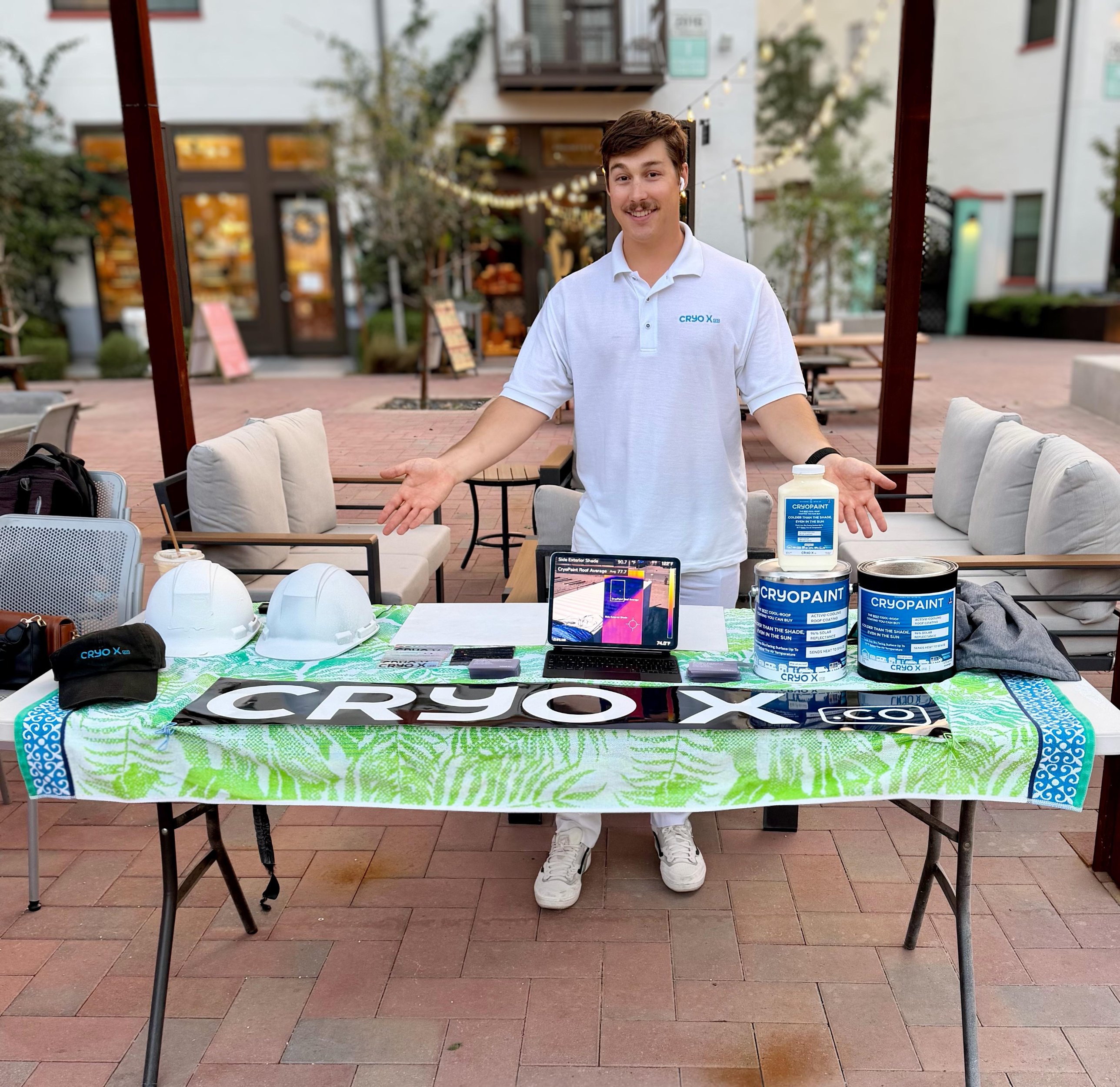
There’s no point in having an advanced technology if nobody can use it. I say that often, and it’s the reason I started Cryo X, a small Tempe, Arizona startup that makes and sells passive daytime radiative cooling paint. We did $5,000 in sales last year, but since going direct to consumer in January we have done almost $200,000 in sales this year.
How It Started
In 2022, I had just pivoted away from a startup idea involving active cooling wireless chargers, when radiative cooling showed up on my radar. The more I read about it, the more interested I got. Eventually I decided to test it myself and contacted companies and universities to try to buy some.
None of them could sell it to me. I talked to researchers, companies, and even the CEOs of a few businesses that are now my competitors. Some wanted absurd order minimums, some couldn’t physically make the product, and some never answered emails or had any way to contact them on their websites. That’s when I realized there was a fantastic opportunity.
This was a technology that can make sunlit surfaces drop below the air temperature, and it was sitting in labs. What if anyone could have it, instead of it being gatekept by academics in white lab coats? Thus, Cryo X was born.

Our goal from day one has been to make radiative cooling accessible, which means anyone should be able to buy it AND successfully use it. Big players, distributors, and big box retailers are hesitant to carry something like passive daytime radiative cooling paint, so getting it to people meant going to them directly.
What We Got Wrong
Highly technical products and the average consumer mix like oil and water, and as a startup we’ve made our share of mistakes. Most of them came down to four things:
Being unable to manage immense demand when it came
Being unable to communicate well with certain customer groups
Running ads inefficiently
Errors in our copy
Looking back, a lot of this seems obvious. But when you’re working day and night to grow a company, these things slip past you, and website copy is one of the easiest to miss. Hard to see the forest for the trees.
That happened to us. We built a website, thought it looked good, and published it. Five months later someone told us people on Reddit were calling us stupid over a mistake in a scientific section we’d written mostly for SEO. Trying to rank well had backfired with the exact early adopters we needed. It was very embarrassing, and it’s the kind of thing that happens to small startups all the time.
Why Go Direct to Consumer
So why go direct to consumer at all? For deep tech startups there are a lot of good reasons, though it depends on your technology and where you want the company to go.
The first is that it gets you around gatekeepers. If an industry is controlled by a handful of players, selling directly lets you build market validation you couldn’t get any other way. It also spreads your risk across many customers instead of a few large ones, where one mistake can lose an account for good.
The second is room to learn, especially with dual-use technology. Consumer applications usually aren’t life-or-death or mission-critical. If a hobbyist puts your coating on an RC plane and the result is underwhelming, it’s not a big deal. If an operator puts it on a drone in combat and gets underwhelming results, you lose the contract.
I’d go further and say direct to consumer is the most important channel at the earliest stage of a company. It’s where you find your early adopters and, more importantly, your enthusiasts. Most of the time those enthusiasts aren’t companies. They’re people.
Everyone Works Somewhere
We have a saying at Cryo X: “Everyone works somewhere.” About 10% of the orders through our direct-to-consumer channel come from businesses, including defense startups, universities, and, of all places, the Fort Worth Zoo.
The funnel is simple. You run ads, optimize your SEO, and get the funnel working. People scroll through social media and their feeds before work, during work, and after it. If an ad catches their interest, they move down the funnel and eventually buy. And because everyone works somewhere, some of them think, “This would be great for my business,” or for their day job. That’s a B2B sale coming through a consumer channel.
Then there are the regular consumers, who in my opinion are the best people to work with. They’re enthusiastic, curious, and genuinely surprised by what the technology can do.
We learned more from selling directly and listening to customers than from three years of researching the technology ourselves. I think a lot of companies overlook this. They spend millions on R&D, while consumers discover many of the same things just by using the product in ways nobody expected.
Turning Technology Into a Product
How you go direct to consumer depends on your product, and a lot of technology is hard to turn into a product in the first place.
A common mistake is focusing too narrowly on one end product. Say your company has a next-generation way of making screws, so you decide to make and sell tables that use the screws. That’s not very smart. You should be selling screws to table makers, and to anyone building chairs, desks, or anything else that needs screws. Why pigeonhole yourself?
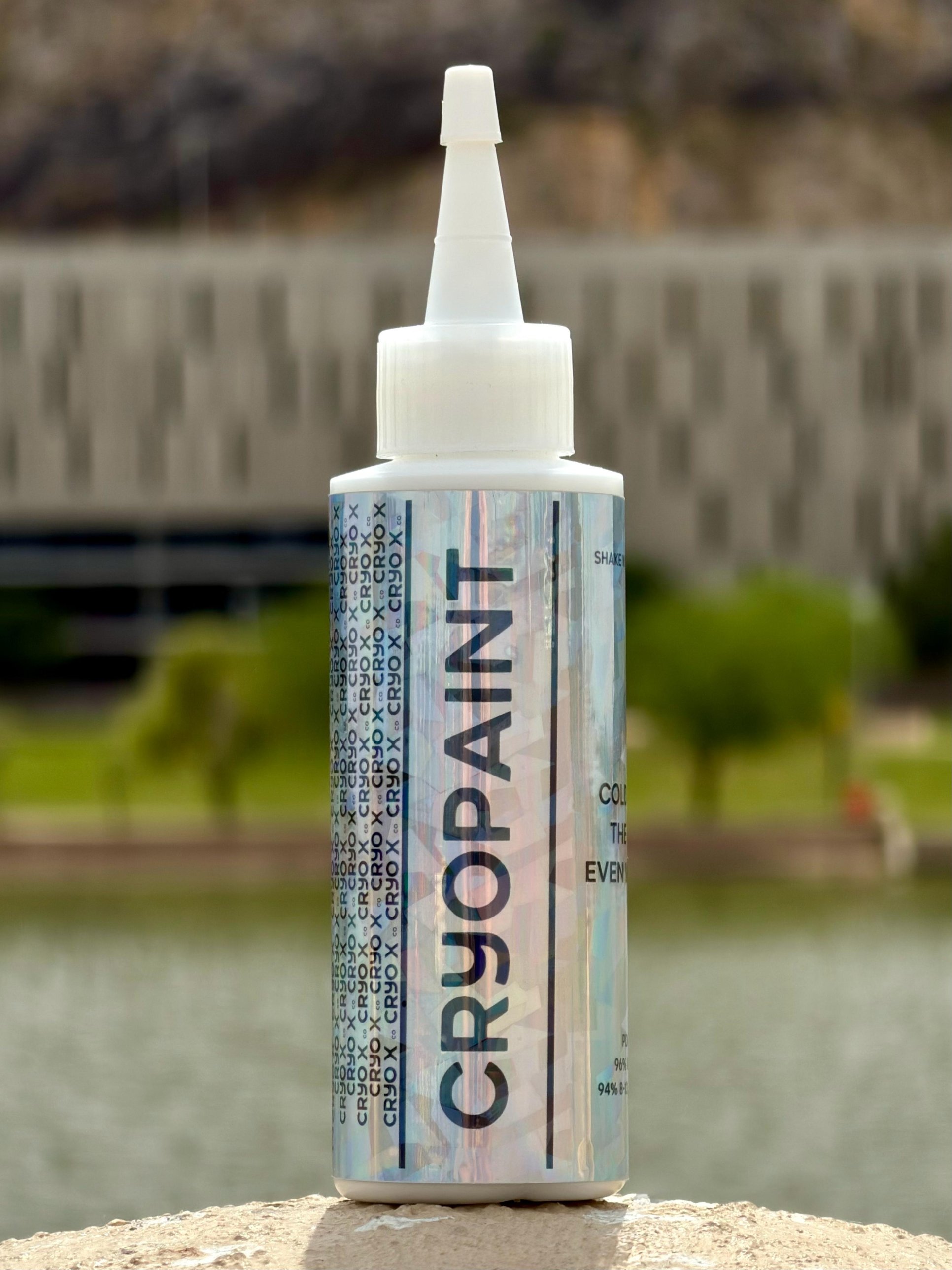
We made this mistake early on. Our first product was a phone skin made to cool cell phones and nothing else. It turned out people wanted the technology for a lot more than phones. Vehicles came next, then all sorts of other things, so we changed the form factor until it would work on just about anything.
Today our product works like a screw. It goes into all kinds of things, and people build their own products with it.
Finding a Consumer Market
The first question is whether your technology can become a product someone can buy outright. If it can, you’re on the right path.
The second question is whether a consumer market for it exists, and this is probably the hardest gate you’ll face. Some technologies just don’t work for consumers. Modular nuclear reactors are a tough sell to the average person, especially through TikTok ads.
Other technologies are perfect for this strategy. High-performance paints like CryoPaint, specialty metals, plastics, VR/AR, and software deep tech like advanced AI can all find users. Maybe not the average person, but enthusiasts using them outside a professional setting. You start at the bottom of the adoption curve with early enthusiasts and work toward the mainstream. Ideally you never reach a laggard phase, though eventually you will.
The Risk and Reward of Early Adopters
The scary thing about early adopters is that they’ll be your harshest and loudest critics. They’re the reviewers and the enthusiasts, and if you get it wrong with them, it can hurt your brand for a long time.
We’ve had a taste of this, although most of our reviews and online presence have been positive, including 5 stars on Amazon and other platforms. One popular YouTuber in our space posted a lackluster review after he didn’t get the results he was hoping for. It wasn’t a disaster, but it killed our sales for over a month, because the enthusiasts who had been buying listened to him and stopped.
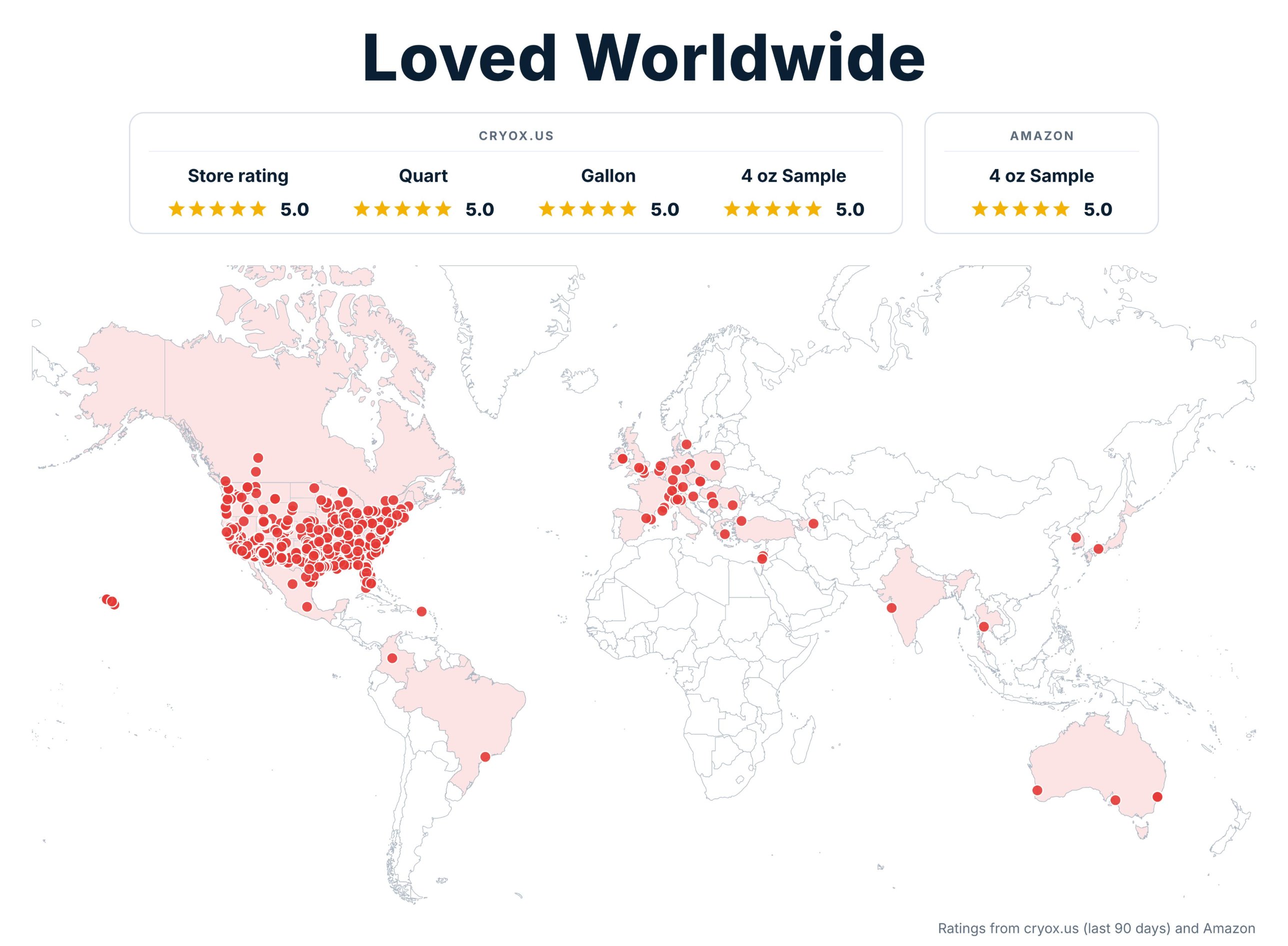
It works the other way too. One great video from a different YouTuber sold five months of inventory in three days and left us sold out for three months. There are two sides to that coin, and you have to be careful with both.
If I could go back, I’d set lower expectations for our product so customers came away happier with their results. As a founder you want to champion your technology, but it’s easy to get carried away and lose sight of how the average person sees it. When expectations get skewed, the customer’s experience suffers.
Advertising and ROAS
Advertising is the other main lever. It carries less risk to how people perceive you, though there’s still some, and much more risk to your ROAS, or return on ad spend, which is the most important number in advertising.
Without a good ROAS, your sales numbers don’t mean much, because ad spend has eaten a big chunk of them. Above 2x is good, 4x is fantastic, and 6x is legendary.
Ads give you reach and let you educate customers at each stage of the funnel. Many modern platforms target the top, middle, and bottom automatically, so you can test different ad styles for each stage.
They also get expensive fast. There’s a reason Meta and Google are some of the biggest, most profitable companies on the planet after Apple: advertising makes up most of their revenue. Those dollars come from advertisers, and if you’re going direct to consumer, that’s you.
The spend can still take you to another level. Our ad spend this year took us from a few hundred customers to a few thousand in a matter of months. The growth was dramatic, but we kept very little cash because the spend wasn’t efficient and our ROAS wasn’t good.
Whether that’s a problem depends on your goal. If you want cash, it’s bad. If you want publicity or as many customers as possible, a low ROAS with a high customer count could be ideal, and any return at all is the cherry on top.
As a bootstrapped company, ROAS mattered a lot to us. We worked at it but couldn’t get far, mostly because of technical issues on Meta’s end that had nothing to do with our product. By the time we found the problem, it was too late. We’ve paused our ad spend and are rebuilding with a new campaign that doesn’t carry those technical problems.
Looking Back
Would I run that campaign again? Absolutely. It proved that the average consumer will buy our deep tech, review it enthusiastically, and share it with their friends.
Nobody had shown that before. No one had proven passive daytime radiative cooling had a real consumer market. The academic journals and publications only ever considered large business and government use cases. They never imagined a beekeeper using it to increase his hive’s output, a homeowner painting a mailbox so the adhesives on their mail don’t melt, or a homesteader cooling the water pipes running to their ranch.
Would we have liked a better ROAS? Yes. Was the campaign a failure? Absolutely not. It showed we could do something people once thought was impossible and laughable.
If you’re running a startup in a similar position, where people don’t think your technology has a place in the world, give it a try. Run some ads, get regular people using your product, collect their feedback, and grow your market.
Even if you never become the most popular item on Amazon, you’ll be collecting feedback that shapes both your direct-to-consumer and B2B approach, along with real-world examples you can hand to larger clients to close deals faster.
Published in Fello Foundry by Fello