


I’m Zach Ronski. I’m the Marketing Director at Fello Agency in Toronto’s Art & Design District.
We work with companies building the heavy stuff. AI, robotics, quantum computing, advanced manufacturing, MedTech, pharma, XR, defense tech. The things that actually move the world forward.
And yeah - those companies are hard to market.
Not because the tech isn’t good. Most of the time, it’s insane.
They struggle because the story doesn’t travel. The value doesn’t land fast enough. The buyer can’t repeat it to their boss. The board can’t see the ROI. Procurement can’t justify the risk.
That’s what “translating complex tech” means to me.
It’s commercialization. It’s trust. It’s speed.
It’s taking something complicated and turning it into a brand, a website, and a set of sales assets that get you meetings with real budgets.
Translation is the job
People hear “branding agency” and they think logos.
Deep tech doesn’t die because of a logo.
Deep tech dies because you look like a science project. Or you sound like one. Or you move so slow that the market assumes you’re vaporware.
I’ve said this a million times: your buyer isn’t buying your brilliance. They’re buying what your brilliance does for them.
You’re trying to convince someone who’s been doing things one way for 10 years to change their entire operation. That only happens when your marketing reduces fear and increases confidence.
That’s translation.
And it’s why I love this work. I want to look back and know I was in the room with life-changing companies. A quantum computer. A 3D printer. Innovative AI software. I’ve been lucky enough to be close to all of it through the companies we serve.
But I also want those companies to win. In market. Not in a lab.
Deep tech buyers are scared. Your marketing has to calm them down.
If you’re a CMO or VP of Marketing, you already feel the pressure.
You’re accountable to pipeline. You’re accountable to revenue. You’re trying to keep sales aligned. You’re trying to keep the CEO and board confident. And you’re doing it in a category where the buying cycle can run six months, a year, sometimes two.
So let’s be honest about what’s happening on the other side of the table.
TrustRadius found that 87% of B2B tech buyers only purchase “proven” products that show fast ROI. Not eventually. Fast.
And Forrester found 43% of B2B buyers pick the safest option in over 70% of their decisions.
That’s the enemy. Not competition.
Fear.
If your marketing doesn’t reduce perceived risk, you don’t get shortlisted. You don’t get the second meeting. You don’t get the pilot. You don’t get the deal.
So when I say “translate complex tech,” I’m talking about turning uncertainty into confidence.
Your website needs to speak business
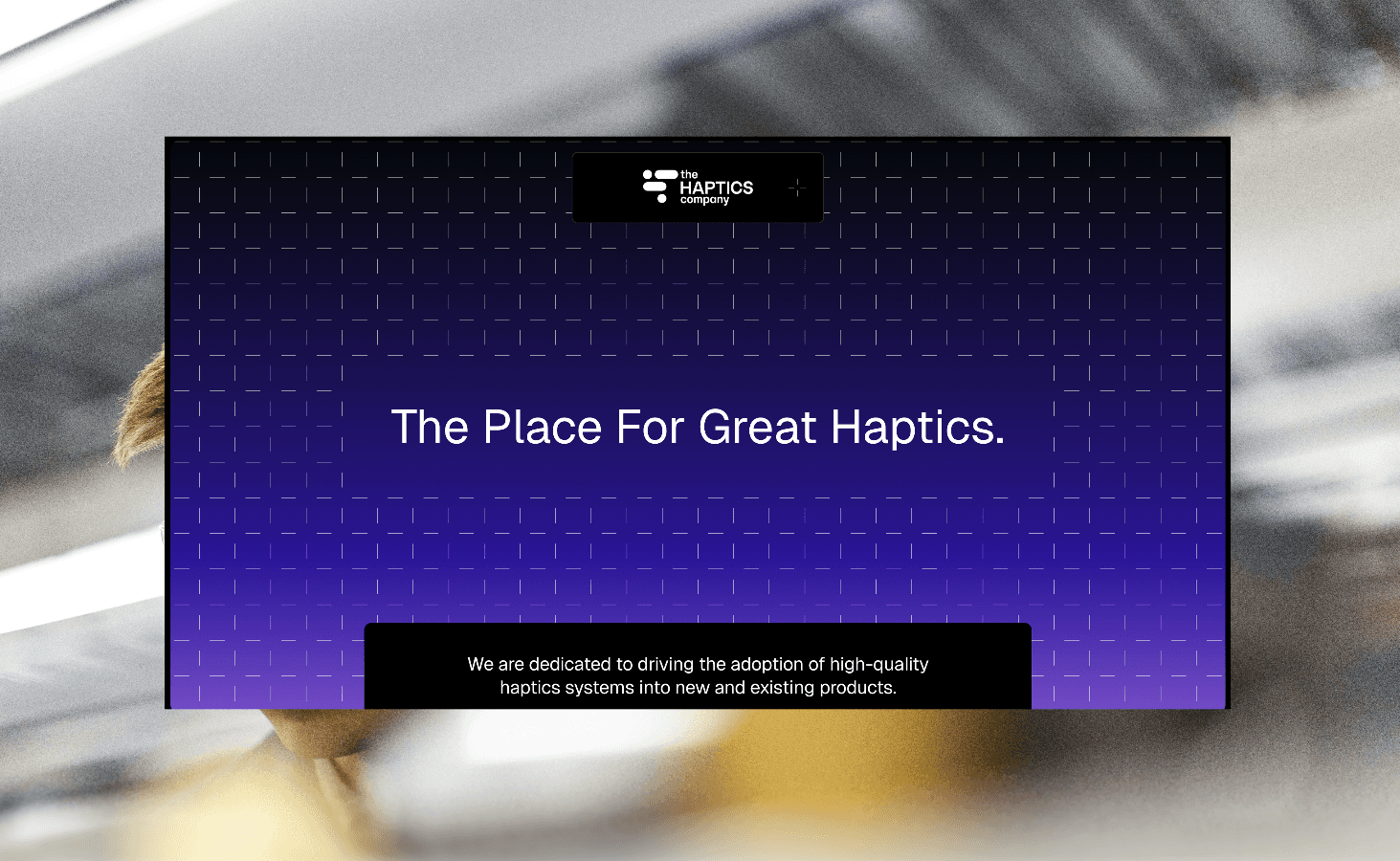
This is where most deep tech companies lose.
Your website is often the first real sales conversation. It just happens without your sales team in the room.
TrustRadius also found 77% of tech buyers rely on self-serve content as a top influence on purchase decisions. They’re reading. They’re comparing. They’re judging you before they ever book a call.
So if your site opens with specs, your buyer doesn’t feel smarter. They feel like they’re about to do homework.
And they bounce.
Technical talk vs business talk
I distinguish between technical talk and business talk constantly.
Technical talk is what your engineers say when they’re excited. It’s what founders say when they’re deep in the product.
Business talk is what your buyer needs to justify moving forward.
Business talk answers simple questions:
What does this change for me? Does it save me money? Does it make me money? Does it reduce my risk? Does it save my team time?
This is why I say it straight: your website needs to speak business.
You can still have technical depth. You should. But leading with it keeps you trapped as a “research problem.”
And I’m blunt with technical founders on this point: pivot to an ROI narrative or you’re gonna stay in the lab.
“Sell a lifestyle, even in technology”
A lot of B2B marketing is stiff. It’s obsessed with features. It forgets that people still buy with emotion first.
I believe B2B tech should borrow from B2C. Not in a gimmicky way. In a human way.
People don’t want to hear “not how smart the device is.” They want to hear “how much smarter you’re going to be.”
They want to feel what their day looks like after your product is installed. They want to feel less stress. Less chaos. More control.
That’s why I say, “Sell a lifestyle, even in technology.”
When we built video case studies for Mosaic Manufacturing, we didn’t treat it like a spec sheet with camera angles. We focused on the operational reality - like what it’s like to be an orthotics business owner using the device. That’s where the story lives.
Visual trust: the shortcut that gets you into the room
Your buyer is judging you in seconds. They’re not being mean. They’re protecting themselves.
There’s research showing nearly 75% of users decide credibility based on a website’s design and look.
That stat doesn’t surprise me at all.
I’ve seen companies lose deals because their visuals weren’t professional. I’ve literally watched a client lose a deal with Amazon solely because their brand visuals were poor.
The product wasn’t the problem.
The “are these people legit?” question was the problem.
“Believing but not authenticating it”
One of my definitions of branding is simple: it’s authenticating your claims.
A lot of founders believe in what they built. That’s great.
But belief doesn’t close enterprise.
Branding is what signals validation. It signals maturity. It signals “we can execute at your level.”
If your visual identity looks cheap, your buyer assumes the operation is cheap.
And if it looks like bullshit, no one’s gonna want to work with it.
Design details that quietly kill deals
I can usually tell in one minute when a deep tech company is about to struggle.
The dead giveaway is inconsistency.
Fonts that change across pages. Slides that don’t match. A website that looks like it’s 2009 trying to sell really impressive materials. Random colors. Stock imagery. Weird spacing.
You don’t need to be Apple. You just need to look like you take yourself seriously.
Because your competitors will. And they will win the deal.
The Fello way: a full commercialization system, not a logo project
Fello Agency was built to be a deep tech partner. We’re not a generalist shop trying to “learn your industry” on your budget.
We’ve worked across quantum, XR, additive manufacturing, MedTech, photonics, defense. We’ve led brand systems, websites, and content ecosystems for companies like Nord Quantique, Prollenium, Mosaic Manufacturing, and Shippie. We’ve done collaborative storytelling work with Lenovo and Qualcomm through Sphere.
We’ve completed over 50 projects and we hold a 4.9/5 client satisfaction rating. We’ve also been recognized by Clutch as a Top Branding Company (2024), Top Web Design Agency (2024), and Top Creative Agency in Canada (2025).
That matters because deep tech CMOs don’t have time for learning curves.
Why we stay lean on purpose
We’re intentionally small. Around 10 - 11 core people.
No bloated account teams. No telephone game. You work with the people building the work.
That structure is strategic. It keeps speed high and friction low. It also keeps your budget going into the output instead of overhead.
I care way more about what your site looks like than how fancy an agency’s internal process looks.
The five pillars (without the fluff)
Our work usually lands across five areas: brand and strategy, digital and web, content and storytelling, sales and growth enablement, and growth execution.
I don’t treat those as separate services. I treat them like one system.
Because that’s how you get out of “branding as a cost center“ and into marketing as a revenue engine.
Step 1: Speed wins. Slow feels like vaporware.
Here’s one of the biggest traps in deep tech.
Teams confuse motion with progress.
They’ll come in asking for five pages of research. They’ll want to run workshops for months. They’ll want to debate language for a quarter.
Meanwhile, the market moves.
Competitors ship.
Investors get impatient.
And buyers start assuming you’re not real.
I’ve had clients come to us - under NDA - wanting a rebrand, a website, and a huge research phase on top. We walked away. Not because research is bad. Because their timeline showed they weren’t ready to go to market.
They wanted to move in months when they should be moving in weeks.
Research is useful. Endless research is fear.
I’m pro-strategy. Half of a rebrand’s value is strategy and research.
But I’ve also watched founders stall for nearly two years by running workshop after workshop. Four communication strategy sessions. Then another round. Then another.
At some point, you’re hiding.
If you need a sanity check, even running your plan by GPT or Claude or Google can help you see if it feels natural. You don’t need another six-week internal loop to get to common sense.
The sprint rules (and why we enforce them)
Fast projects require tradeoffs. That’s just reality.
If you want a 10-week sprint, you’re not getting endless revision cycles. You’re going to sacrifice some feedback loops. You’re going to commit to decisions.
We also build contingency into delivery. Sometimes that means staging a launch. Sometimes it means using low-code or no-code tools that match your team’s resources.
And yes, we enforce timelines. We even adopted penalty fees when clients disappear mid-sprint. That came from real experience - like a construction tech client who vanished for months and came back expecting to resume instantly.
Tech companies don’t get that luxury. You don’t wanna be moving slow in tech, you’re gonna get killed.
Step 2: We build your story from the outside in
Deep tech marketing gets easier the second you stop guessing what people care about.
This is why our stakeholder approach is sequential. We start with the people who pay you. Then we work backward.
We interview your customers first, then your sales team, then marketing, then leadership.
Leadership is important. But they’re often emotionally attached. Customers give you the truth.
When I interview customers for case studies, I’m trying to find the moment where everything sucked before your product existed. I literally want to know what pissed them off the most.
That’s where the story becomes human.
Case studies that sound like reality
I have a hard rule: case studies should be told from the customer’s perspective.
Not your perspective. Not your product voice.
The second your case study turns into “we built X with Y features,” it reads like marketing.
Customer voice reads like reality. Reality builds trust.
And here’s a red flag I look for immediately when I audit a deep tech website: no case study or testimonial hub.
Enterprise buyers want proof. If you don’t give it to them, they assume you’re hiding it.
TrustRadius even notes buyers care more about review substance over quantity. They want detail. They want relatable examples. They want to see themselves in the story.
Step 3: We architect websites for pipeline, not vibes
A deep tech website is not a brochure.
It’s your first sales call, your first investor pitch, your first partner conversation, and your first credibility test - all at once.
That’s why the structure matters as much as the design.
The content hierarchy we use for complex tech
On most deep tech sites, you need credibility immediately. That’s why we lead with a hero that looks expensive and specific. Then we get into proof fast.
We usually want case studies early, followed by strong product visuals or assets. Then testimonials. Then clear CTAs. Then resources like PDFs, white papers, and downloads.
Specs come later. Specs are validation. They’re not the opening line.
This is also where I push teams hard on ROI metrics. Homepages and landing pages should lead with outcomes and proof. The buyer should see business value before they see technical depth.
Collector pages vs deal pages
Not every page on your website has the same job.
Some pages are designed to close now. Landing pages. Industry pages. Campaign pages.
Some pages are designed to build loyalty. We call those collector pages. Think partnership pages, mission pages, about pages, “meet the team” content. They’re there to make people follow you, trust you, and remember you.
That matters in deep tech because deal cycles are long. You need both.
I use a highway analogy for this. You build collectors that create repeat exposure, and you build express lanes that move people to a conversation.
Dual-ICP sites need clean pathing
A lot of the companies we work with sell into more than one market. Sometimes it’s dual-use. Sometimes it’s two commercial industries. Sometimes it’s enterprise plus mid-market.
If you blend all that into one storyline, your messaging gets watered down.
So we design websites that let different buyer types self-select right away.
We did this kind of work for Sphere, where we created distinct industry pages to speak directly to specific ICPs in factories, medical tech, and defense. That wasn’t a “nice-to-have.” It was necessary.
Sphere’s Head of Marketing, Alexandra Corey, said, “The new website has more than tripled our lead generation efforts.” That’s what happens when your site matches how buyers think.
CMS autonomy: if it’s not editable, it’s not a system
One of the most underrated killers in B2B tech marketing is a website your team can’t control.
If your marketing team needs a developer to change a headline, you lose momentum. If it takes weeks to publish a post, you stop publishing.
I have a benchmark I’m serious about. A client should be able to launch a blog post within three minutes. If you can’t do that, your CMS is a choke point.
I’ve seen the opposite. A company with a legacy backend built by a developer who got terminated. They couldn’t publish guest blogs about acquired technologies. One upload took three months. A task that should take five to ten minutes.
That’s why every website project we do includes training. Hard line. Your team needs autonomy.
If you don’t have a proper CMS, there is no point of even having a website.
Tools: why we like Framer, and when we won’t use it
We’ve completed hundreds of websites on Framer because it lets us move fast and build flexible systems. We can custom-template it. We can engineer SEO structures. We can make it editable for non-technical teams.
We’ve even launched a high-quality Framer website in under two months for a client who had a deadline for CES. That speed changes outcomes.
We also design “mobile last” for B2B deep tech. Desktop is where these deals happen. We build the stacks, grids, and component libraries first, then we make it responsive.
And we’re honest about limitations. Framer doesn’t allow code export, so it can be a disqualifier for classified sectors that require self-hosting.
Translation includes saying no to the wrong setup.
Step 4: Cinematic storytelling that makes complex tech feel real
In deep tech, you’re usually explaining something people haven’t experienced.
Video helps. A lot.
Wyzowl reports 91% of businesses now use video in marketing. That number keeps climbing because video compresses time. It builds understanding fast.
TrustRadius also found 58% of B2B buyers rank product demos as the number one decision resource. Your buyers want to see it.
So we build cinematic product storytelling that doesn’t dumb the tech down. It makes the value obvious.
Qualcomm said our creative direction “simplif(ied) complex innovations through visuals and narrative.” Lenovo said our XR storytelling “set a new standard for how we communicate innovation.”
Those aren’t fluffy compliments. They’re signals that the translation worked.
How we make one video do 10 jobs
I’m obsessed with bang for your buck.
If we produce a high-budget video case study, it can’t live as one asset. We immediately repurpose it into written PDFs, blog content, short social cuts, sales snippets, trade show loops, and outbound sequences.
That’s how you justify production. It becomes a system, not a one-off.
And yes, I’m firm on standards here. If you’re asking clients for high-six-figure contracts, written testimonials alone don’t match the value level. Professional video is a better reflection of what you’re asking for.
Step 5: Sales enablement that actually closes
A lot of marketing teams produce assets that sales ignores.
Then sales complains marketing “doesn’t help.” Marketing complains sales “doesn’t follow up.” You’ve seen this movie.
We built a dedicated Sales & Growth Enablement pillar for a reason. We produce pitch decks, launch kits, event branding, product explainers, and case study reels that reps actually use.
We did this for a field sales software client by replacing scattered collateral with a unified, mobile-first toolkit. It reduced prep time and increased rep confidence. That shows up in conversations. It shows up in follow-through.
I’ve also seen what happens when the opposite is true. I’ve seen a logistics client threatened with exclusion from a meeting with a major Canadian enterprise because their decks weren’t cutting it. That’s a brutal way to learn the lesson.
Human selling still matters
Even with AI everywhere, you still need a driver behind the car.
Deep tech deals involve older demographics, committees, and long timelines. People want connection. They want to trust who they’re buying from.
Forrester reported buyers who trust a vendor are nearly twice as likely to recommend them or pay a premium.
So we don’t build marketing that hides humans. We build marketing that proves the humans are real, competent, and mission-led.
Content that helps write their future RFPs
In long cycles, you’re not just educating.
You’re arming your buyer.
We use valuable downloads like brochures to capture contact info and keep your brand resonating while procurement drags. We also build technical white papers designed to help buyers write their future RFPs.
That’s how you stay relevant for 18 to 24 months without sounding desperate.
Dual-use and defense: translation under constraints
Defense and dual-use companies are a special kind of hard.
You’re dealing with secrecy. Redacted footage. Classified details. Multiple stakeholders with conflicting agendas.
And the stakes are real.
We’ve worked with confidential counter-drone and defense clients where high-fidelity visuals weren’t optional. We used 3D renders to show capability in air, land, and water environments when real footage couldn’t be shared.
We’ve also used renders and pitch decks to help a confidential Canadian drone company secure funding during the early stages of the Ukraine-Russia conflict, when they didn’t have physical prototypes ready.
That’s translation under pressure.
One page, three stakeholders
Defense pages can’t be built for one person.
You’ve got the end user who cares about performance. You’ve got the politician who cares about funding and optics. You’ve got primes and technical evaluators who care about integration and risk.
So we structure landing pages with a unified, high-impact header and a clear CTA that explains why the conversation matters. Then we segment proof in a way that speaks to each stakeholder without diluting the message.
We also anchor the emotional narrative around soldier safety and threat diffusion speed. Procurement is risk-averse. They need to feel the mission is real and urgent.
And yes, I point to Anduril constantly as an example of how branding and visual fidelity can help a disruptor compete against incumbents. The funniest part is watching the old primes copy it later.
That tells you visuals aren’t decoration. They’re strategy.
AI: use it to accelerate thinking, not to ship “AI-generated slop”
AI is everywhere right now. Some of it is useful. Some of it is embarrassing.
Here’s my hard line: if you have a CMO, you never should be using AI generation for your website.
Not because AI is evil. Because generic output creates a generic brand. And generic brands don’t win enterprise trust.
I use the quote from The Incredibles all the time: “If everybody’s super, then nobody is.” AI can make everyone sound the same. Then your buyers start wondering if your services are the same too.
That’s a killer association.
We do use AI in smart ways. We use tools like Perplexity and ChatGPT for research, industrial matrices, and ICP mapping. That speeds up the early thinking.
But taste, strategy, narrative, and proof still need humans. AI tool builders really suck the creativity out of things when teams lean on them too hard.
I’ve even seen a naming exercise get delayed for months because a team tried to solve it with AI generators instead of committing to human strategy. That’s not innovation. That’s avoidance.
Getting CFO and board buy-in without the branding eye-roll
If you’re trying to get six-figure budget approval, you can’t walk into the boardroom saying, “We want to look cooler.”
You’ll get shut down. And you should.
When we need CFO buy-in, we frame this as communication strategy and marketing investment. We talk about pipeline. We talk about lead gen. We talk about conversion. We talk about risk mitigation.
Forrester’s 2023 research showed about 90% of business buyers reported stalled purchase processes. Buyers want upfront ROI proof. They want clarity. They want to move without guessing.
Your brand system helps them do that.
And I’ll say it the way I say it to CFOs: if you expect to win million-dollar contracts but you refuse to spend $100,000 to look the part, you don’t deserve the business.
Dress for the client that you need.
Budget ranges that make sense in the real world
For Series A to Series B companies, I’ve said publicly that a comprehensive rebrand usually lands in the $50,000 to $150,000 range. A fully autonomous, editable website system is often $30,000 to $60,000 because of the custom templating and CMS work required.
I’ll also tell you something that surprises people. Spending way over $100,000 on branding can sometimes look suspicious to technical buyers. They start thinking you’re overcompensating.
So the goal isn’t “spend more.” The goal is “spend right.”
When budgets get tight, I don’t push clients to cheap out on quality. I push them to cut deliverables. Fewer pages. Fewer videos. Less extra fluff. Keep the core system strong.
Proof you can actually put on a board slide
If you need clean numbers to justify this internally, here’s what we’ve delivered.
Sphere saw lead generation increase 3x after a brand and web overhaul. Mosaic saw inbound leads jump 25% and booked meetings rise 15% within two months. Nord Quantique saw website traffic surge 80% in six weeks and social shares double.
This is why we say we turn marketing from a cost center into a revenue engine. It’s not a slogan. It’s what happens when the system is built properly.
A quick gut check: is your marketing translating?
If your homepage leads with technical specs, you’re making the buyer work too hard.
If your site doesn’t have a proof hub, you’re forcing prospects to guess whether you’re real.
If your decks look cheaper than your contract size, you’re creating a trust gap you can’t talk your way out of.
If your CMS is so painful that your team avoids publishing, you’re not running a marketing system. You’re running a museum.
And if your content feels like AI-generated slop, you’re telling the market you don’t care enough to show up with substance.
On the flip side, you’ll know the translation is working when your story is repeatable, your proof is obvious fast, and your sales team stops “explaining” and starts “closing.”
Closing: connection is the multiplier
The simplest word I come back to is connection.
Connection with your team. Connection with your users. Connection with partners.
You can tell instantly when a company gives a shit. You can also tell instantly when they don’t.
That’s a big reason we built the Fello Foundry. We’re connectors. We bring founders, engineers, investors, and operators together across Canada and the US. A lot of clients don’t necessarily always pay for the actual talent of our work. They value the network. They value getting introduced to the right lawyers, financiers, bankers, and partners.
At the end of the day, this work is supposed to move the needle. It’s supposed to help real companies commercialize.
And my favorite moment in any project is still the same. It’s when a client sees the work and goes, “Holy… that’s our brand.”
That’s when you know the translation landed.
Frequently Asked Questions
How does a brand overhaul actually unblock stalled enterprise deals?
Stalled deals usually come down to fear. According to Forrester, about 90% of business buyers reported stalled purchase processes in 2023 due to a lack of ROI proof. A strategic brand overhaul injects upfront clarity directly into your sales assets, giving buyers confidence to act.
How do we ensure our sales team actually adopts the brand narrative created by the agency?
You stop handing them fluffy guidelines and start building weapons. If the narrative doesn’t translate into pitch decks, demos, and assets that actually close deals, sales will ignore it. Build your brand from the customer’s perspective inward, and sales will adopt it because it works.
Should our branding focus more on third-party analyst validation or our own platforms?
Own your narrative first. Forrester shows buyers rely more on vendor-owned resources than third-party reviews. Analysts matter, but if your website and demos don’t instantly project premium credibility, you lose the buyer before the analyst factors in.
How should a CMO attribute pipeline and revenue directly to a branding agency engagement?
Look at lead-to-opportunity conversion and sales cycle velocity. Branding is about friction reduction. When buyers trust you, everything moves faster. Forrester notes that buyers who trust a vendor are twice as likely to pay a premium. Measure the brand by rising win rates.
Do we need to pause our demand generation campaigns while the agency builds the new brand?
Absolutely not. You can’t afford to starve your pipeline. A strong B2B branding agency builds the plane while you fly it. We stage rollouts - starting with high-impact deal pages and sales assets - so your current ad spend gets more efficient immediately, rather than waiting for a monolithic launch.
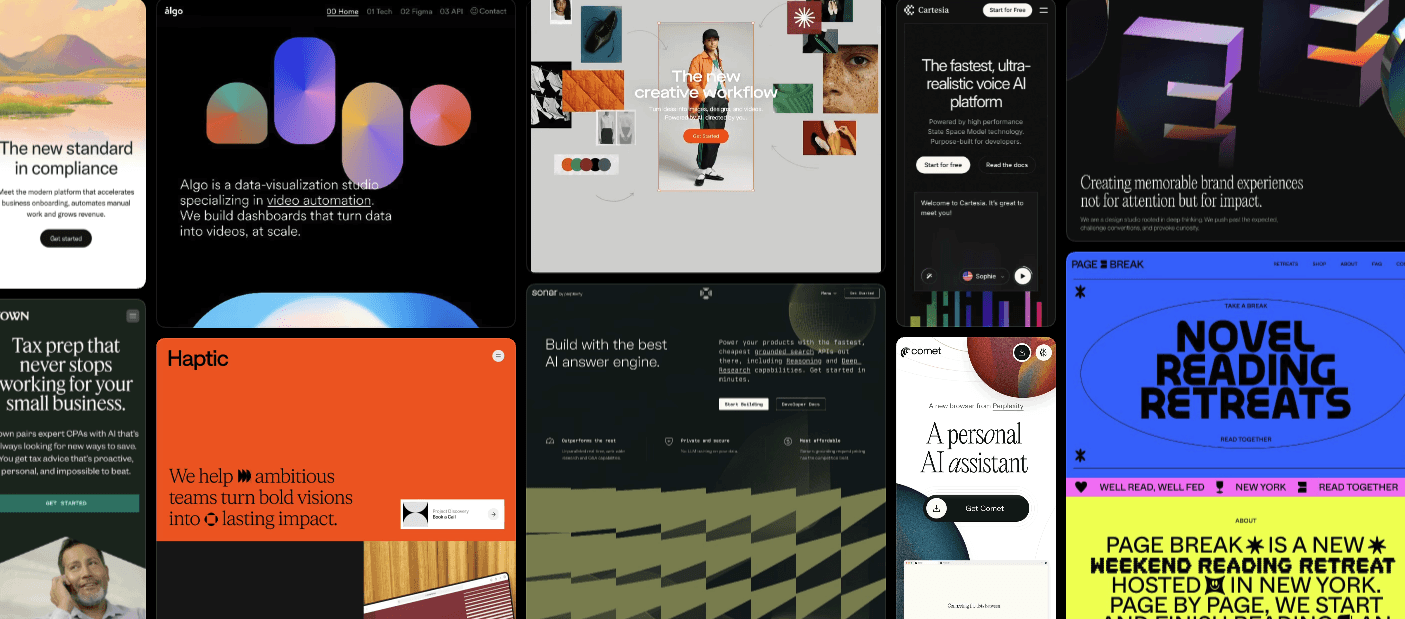
Your Creative Partner for Innovation That Matters
From advanced tech to transformative healthcare, Fello helps visionary teams shape perception, launch products, and lead industries.

Let’s keep in touch.
Discover more about high-performance web design. Follow us on Linkedin and Instagram.

